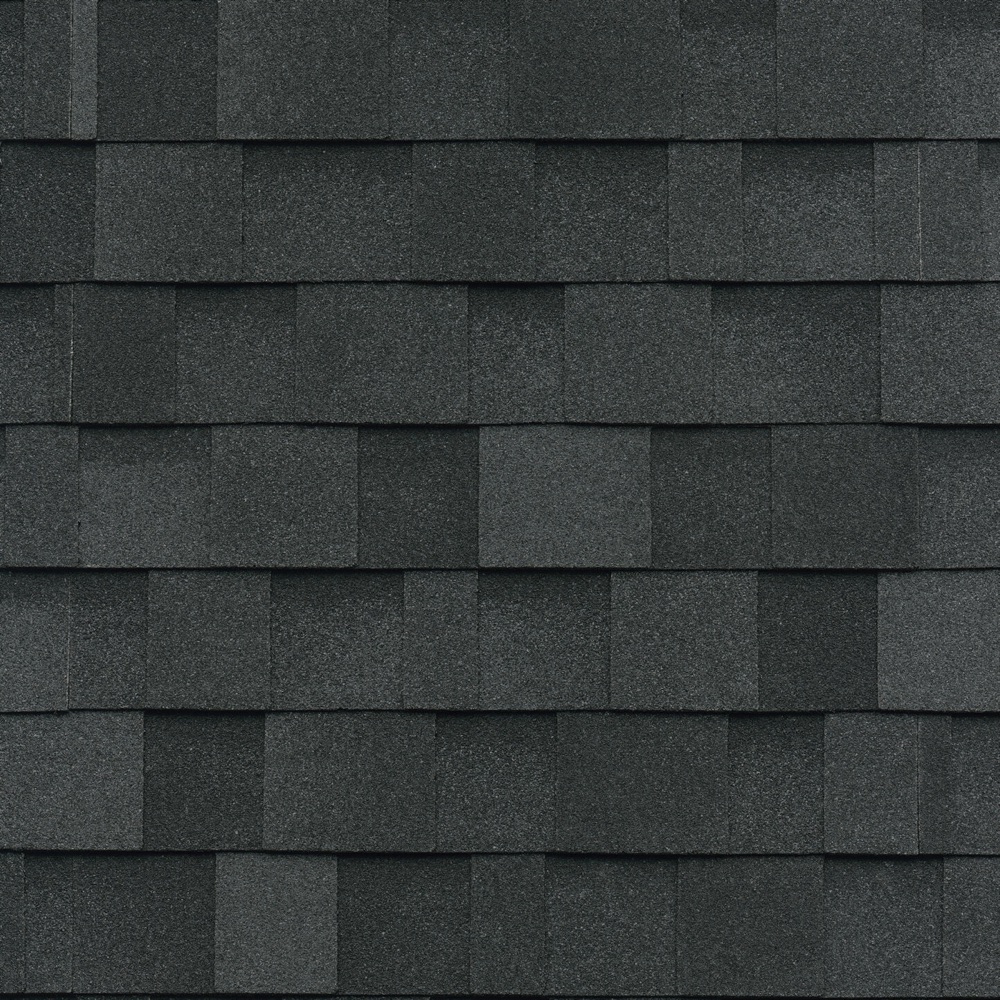
Value · Class 3
Built for Stateline Weather
Most homes around here get one new roof per generation. Our standard build is a full tear-off to the wood deck, code-spec ice and water shield, and GAF or IKO architectural shingles on top.
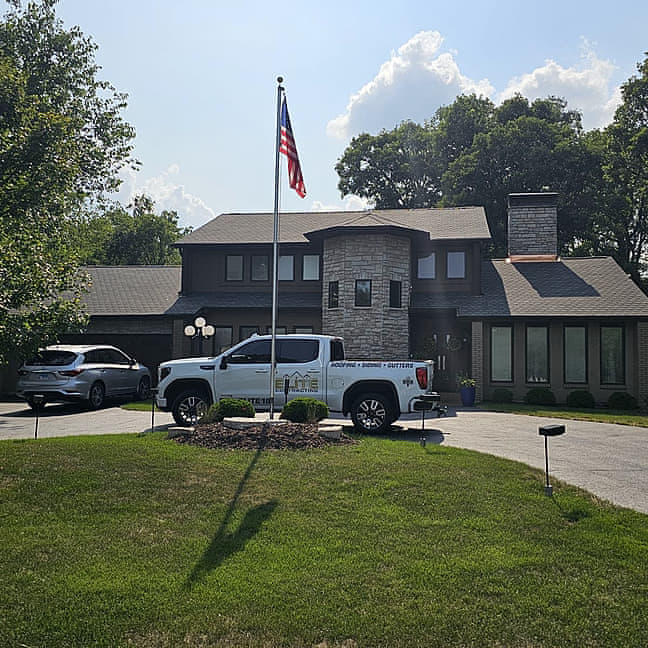
Amazing team! Very rapid response. Great communication throughout the entire project. Rick was great. Kept a stressful time stress-free. Would 100% recommend for all future needs.
Did work for both me and my grandparents. Work was flawless and pricing was beyond fair. Would recommend them to anyone.
Four signs to look for. See two or more together and you almost always need a new roof, not a repair.
Two or more of these together usually means replacement. One alone is often a repair or an inspection first.
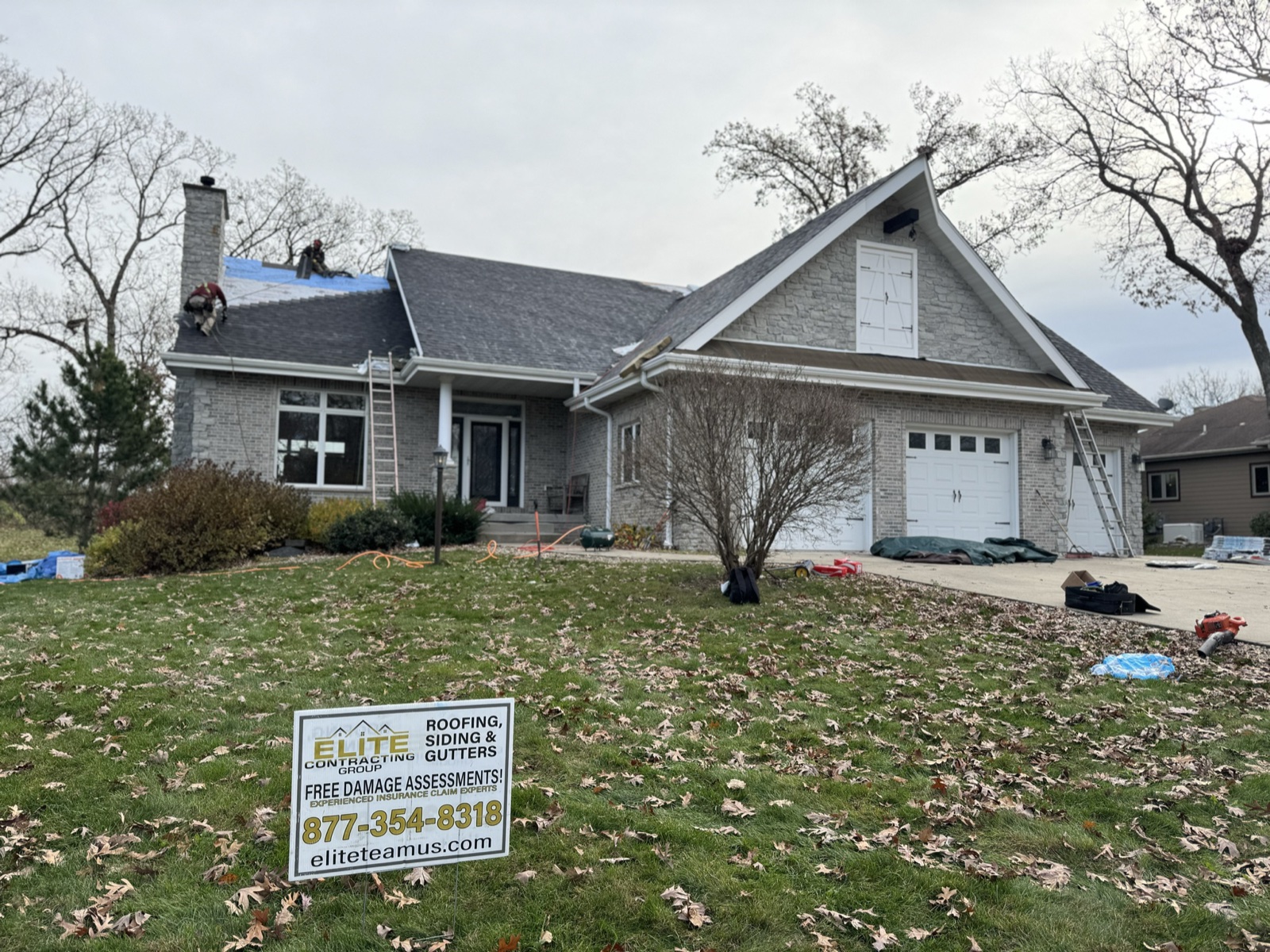
Asphalt shingle replacement around here runs roughly $4.50 to $7.50 per installed square foot. On a 2,000 to 2,500 sq ft home that's $9,000 to $19,000 all in, with steep pitches, second-layer tear-offs, and rotted decking pushing the upper end. That's the 2026 Stateline market range, not our quote.
Roof size
Square footage is the biggest line-item driver. A 2,500 sq ft home costs noticeably more than a 1,500 sq ft ranch on the same per-foot rate.
Pitch
Steeper pitches add labor, safety equipment, and time. A steep two-story is a different job than a low-slope ranch even on the same square footage.
Decking condition
Rotted decking is priced by the sheet, listed separately so it's not buried in the base bid. Surprises usually show up after tear-off.
Bids that land three or four thousand under the rest of the field are usually missing line items. Not winning on labor.
A roof is a system. Skip a layer and the rest pays for the missing piece.
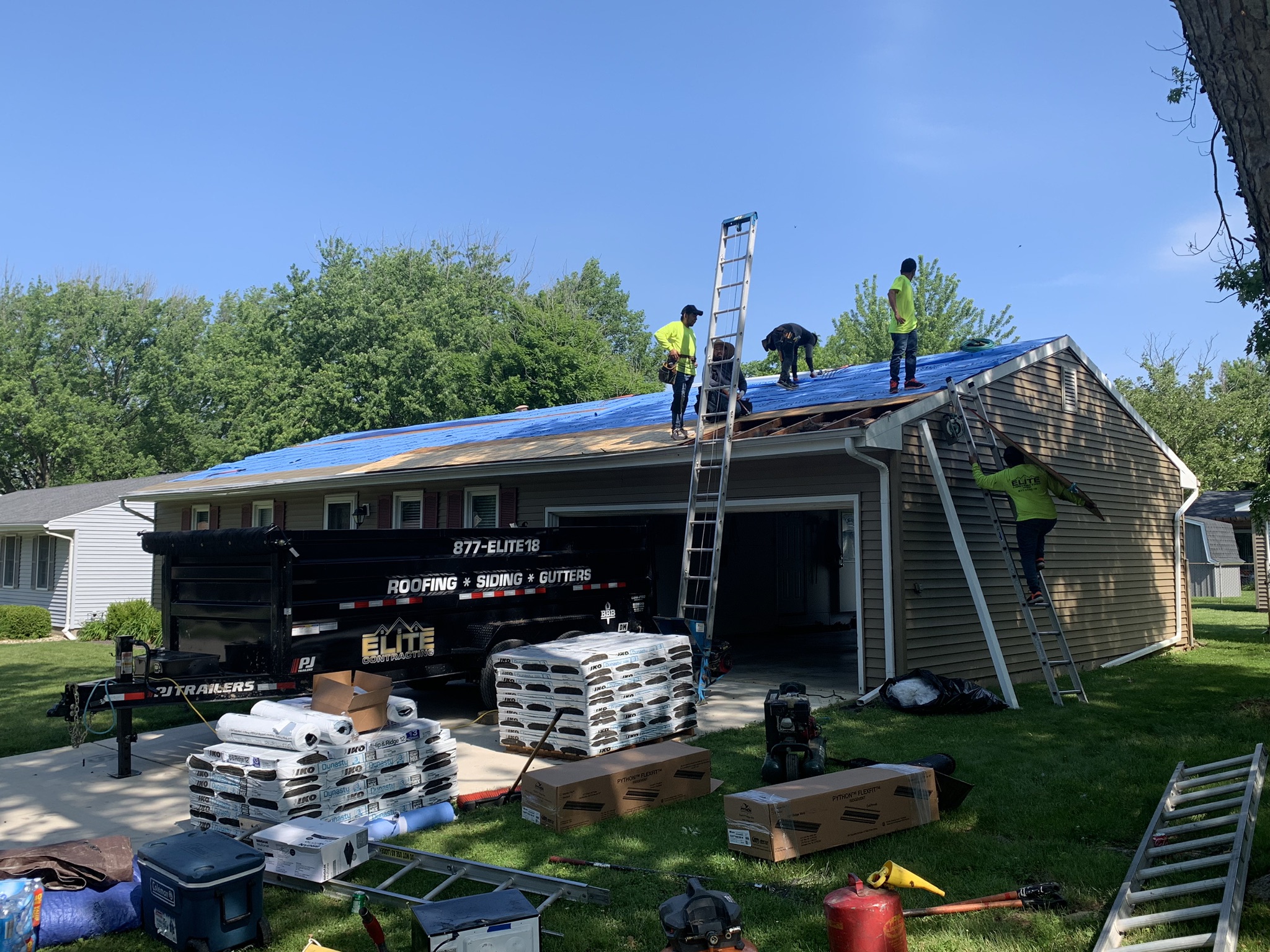
Every layer comes off down to the wood. Rotted, soft, or warped decking gets replaced before the new build starts.
Ice and water shield around the perimeter, every valley, every pipe. Code requires 24 inches past the interior wall. That stops February ice dams. Drip edge, synthetic underlayment over the deck, new step flashing, new pipe boots.
GAF or IKO architectural shingles, manufacturer-certified crew. Ridge vent at top, soffit intake below, sized to your attic. Magnet pickup, dump trailer haul-off, warranty registered in your name.
IKO Nordic and Dynasty were built for places that see freeze-thaw and hail in the same year. Most of northern Illinois qualifies. We're an IKO ROOFPRO contractor.
That matters because ROOFPRO contractors can register your roof for IKO's Iron Clad Extended Protection, stretching your warranty from 10 to 15 years and adding labor coverage. A non-certified roofer can't file that paperwork.
Value · Class 3
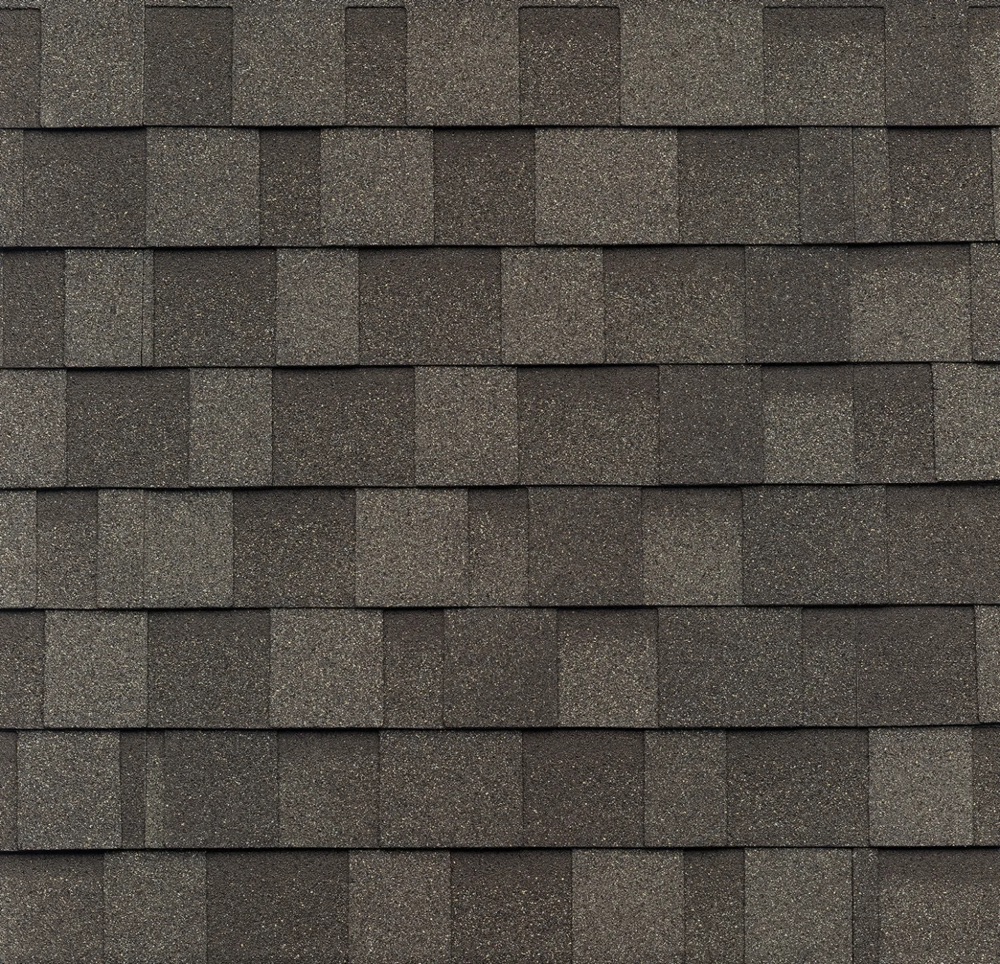
Flagship · Class 3
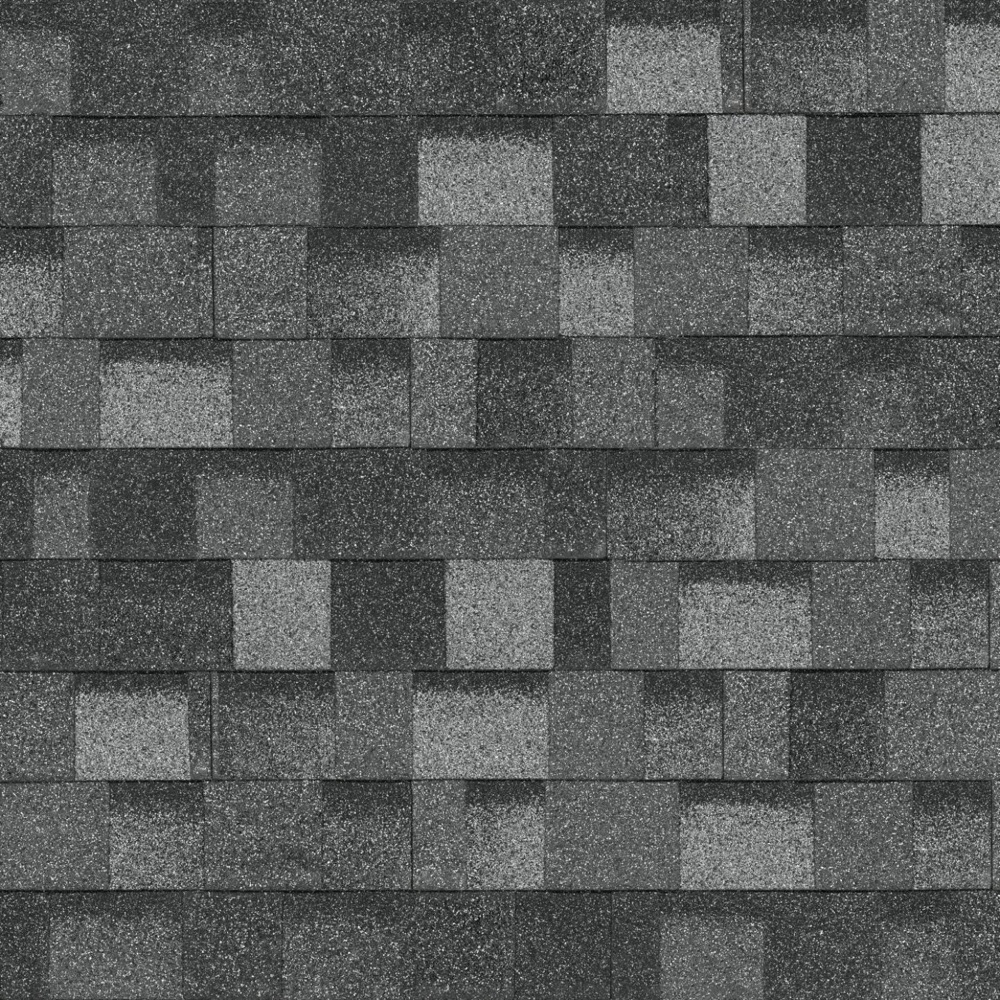
Hail upgrade · Class 4
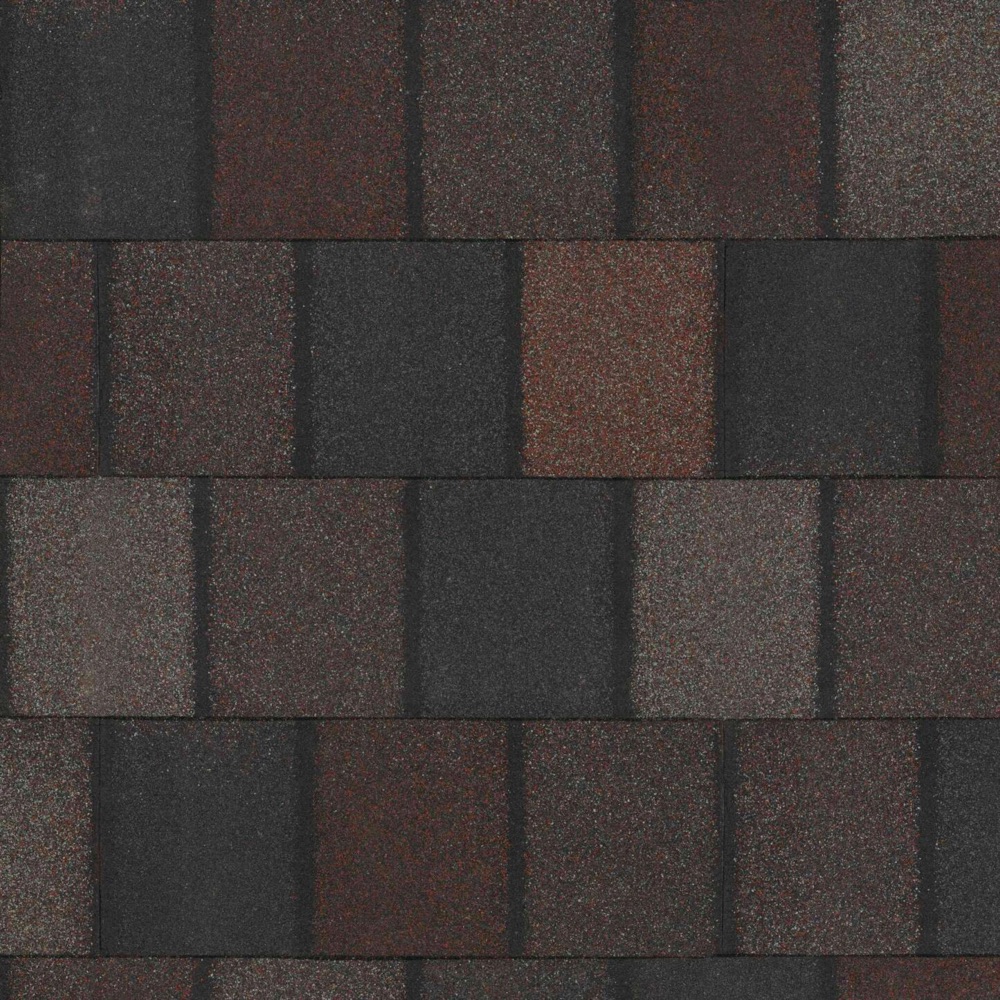
Designer · Class 4
A Class 4 impact-rated shingle can earn a homeowners insurance premium discount that pays for the upgrade over time. Worth asking about on the inspection.
Must-haves
Red flags
The list above is the floor. Not the ceiling. Any bid that doesn't hit every item shouldn't be on your kitchen table.
Manufacturer product
Workmanship
Manufacturer system
The cheapest roof bid almost always carries the shortest workmanship warranty. The longest manufacturer warranty is worth nothing if the install voids it.
Three things tell you. Age: an architectural asphalt roof gets 20 to 30 years; a 3-tab gets 15 to 20 in northern Illinois. Coverage: damage on one slope is usually a repair, but multiple slopes or a roof that's lost its seal across the board needs replacement. And whether code triggers are firing: a missing ice barrier, inadequate ventilation, or rotted decking often push a repair quote into replacement territory. A free inspection settles it.
Often yes, sometimes no. An architectural asphalt roof in northern Illinois gives 20 to 30 years. A 3-tab roof gives 15 to 20. At year 20, the answer comes down to install quality and attic ventilation. A well-vented architectural roof with no visible curl, granule loss, or seal failure can run another 5 to 10 years. A 3-tab roof at 20 years is past its service life and on borrowed time. Curling shingles, sand in your gutters, ceiling stains, or shingles past warranty are all signs to stop waiting.
The three line items that move you up the range matter more than the average. Pitch: anything over 8/12 adds labor and safety time. Tear-off layers: a second layer doubles dump cost. Decking: priced per sheet, usually 10 to 20 percent of homes need some. A 2,000 sq ft ranch on a 6/12 with one layer lands at the low end of the $4.50 to $7.50/sqft Stateline market range. A 2,500 sq ft two-story with two layers and a steep pitch prices at the high end.
Late winter and early spring (February through April) tend to be the best price window in northern Illinois. Crew schedules are open, manufacturer pricing hasn't reset for the year, and the late-summer storm-claim rush hasn't hit yet. Mid-summer and post-hail season (July through October) are the busiest and the most expensive. Worst quality risk: a frozen install done by an out-of-area crew chasing a December close. Cold-weather installs need hand-sealing per most manufacturer specs, which is hard to verify after the fact.
Pull the license number off the bid and search it on idfpr.com or dsps.wi.gov before you call them back. Lapsed or non-roofing licenses disqualify them. Then ask for the manufacturer-certification ID number (GAF Master Elite, IKO ROOFPRO, CertainTeed SELECT) and verify it on the manufacturer's contractor finder, not just the logo on the truck. Unregistered claims of certification are common. If the bid is more than 20 percent below the average of three, the line items are short, not the labor rate.
The shingle warranty covers defects in the material, runs lifetime-limited on architectural lines, and pays nothing if the install is wrong. Workmanship covers how the roof was put together, which is where 90 percent of real-world claims fall: pipe boots, step flashing, ventilation. Our workmanship warranty is four years; the industry minimum is one. The system warranty (GAF Golden Pledge, IKO Iron Clad) bundles both but only if every component on the roof is from the same manufacturer's spec list and a certified contractor registered it within 45 to 90 days.